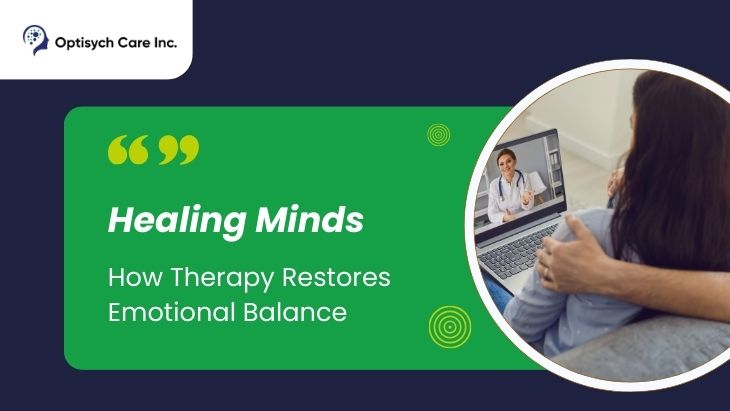
In the contemporary busy and highly integrated society, the issue of emotional stability has become more difficult. Life can easily overpower individuals due to work pressures, relationship liabilities, economic insecurity, and the digital load, making them anxious and emotionally exhausted. Although stress is a daily experience, the continued emotional disequilibrium may influence mental well-being, productivity, and general quality of life.
Over the recent years, the problem of mental health issues like anxiety, depression, burnout, and emotional fatigue has increased tremendously. With the increase in awareness, there is an increase in the number of people who have realised the need to seek professional assistance instead of living in silence. Therapy has become a potent and efficient method of healing emotional wounds and creating equilibrium and resilience.
As the phenomenon of online therapy and virtual therapy sets in, professional mental health assistance has never been more available, and a person can now seek help in the comfort and privacy of his/her own place.
What Is Emotional Balance?
Emotional balance is the capacity to deal with emotions in a healthy and stable manner even when one is faced with stressful circumstances. This does not imply repression of feelings but rather knowing and communicating as well as managing them in an effective way.
Indications of Emotional Imbalance
- • Constant stress or anxiety
- • Mood swings or irritability
- • Difficulty concentrating
- • Sleep disturbances
- • Numbness or numbness of emotions.
- • Impact on Overall Well-Being
Emotional imbalance may not only mess with the mental health but also the physical and social health. Long-term stress can cause headaches, exhaustion, or depressed immunity, whereas emotional instability can put strain on personal relationships and lower productivity at work. Therapy can be used to deal with these challenges on a fundamental basis.
Understanding Therapy and Its Role
Therapy is a process that is organised and professional and assists people to comprehend their thoughts, feelings and actions. It offers instructions, resources, and emotional assistance to overcome life challenges more successfully.
Forms of Therapy
- • Personal emotional issues under individual therapy.
- • Shared experience and support group therapy.
- • Flexibility and convenience provided by online therapy and virtual therapy.
Learning to Control Feelings in Therapy
The therapy can make a person identify his/her emotional patterns, comprehend triggers, and have more healthy reactions. Through constant encouragement, individuals come to know how to deal with emotions instead of them controlling them.
Common Reasons People Seek Therapy
Individuals resort to treatment due to numerous reasons, and there is no issue that is insignificant to seek help for.
Mental and emotional difficulties
- • Stress and anxiety and depression.
- • Posttraumatic stress, bereavement, and unprocessed loss.
- • Low self-esteem and emotional burnout.
Relationship and Life Pressures
- • Issues in a relationship or marriage.
- • Communication problems in the family.
- • Work-life imbalance and stress at the workplace.
Through virtual therapy, people are now able to receive timely help without geographical or time constraints.
How Therapy Helps Heal the Mind
Therapy is not only talking; it is curing, developing, and changing.
Learning to Recognise Emotional Triggers
Through the therapists, the clients are helped to recognise the circumstances or thoughts or experiences that cause their emotional distress so that they can understand themselves better.
Establishing effective coping mechanisms
During treatment, patients are taught effective skills like learning how to manage stress, dealing with their emotions, and being able to solve problems.
Improving Self-Awareness and Strength
Therapy serves as a way of self-examination that makes people learn more about themselves and become emotionally resilient to overcome obstacles ahead.
Enhancing Communication and Expressions
Emotions are something that many people have difficulty communicating. Therapy provides the space for healthy communication and expression of emotions.
Types of Therapy That Restore Emotional Balance
Various treatment methods will solve mental conflicts differently.
Cognitive behavioural therapy (CBT)
CBT is aimed at the detection and modification of negative thought patterns influencing emotions and behaviour.
Psychodynamic Therapy
This method examines the historical experiences and subconscious patterns that shape current emotional situations.
Mindfulness-Based Therapy
Mindfulness exercises assist a person to be in the present, eliminate stress, and cope with the overpowering emotions.
Trauma-Informed Therapy
This method is aimed at helping people who suffered trauma, with its focus on safety, trust, and emotional recovery.
Online therapy now offers many of these approaches effectively, and thus the care of a professional is accessible to a greater number of people.
The Therapist–Client Relationship
Effective therapy is determined by the relationship between a therapist and a client.
Trust and Confidentiality
A good base of trust will enable the clients to be open with no fear of reprimands. Privacy and emotional safety are provided by confidentiality.
A Safe Space for Healing
Through therapy, there is a non-judgemental space where the subjects are free to express emotions with a sense of complete openness.
Professional Guidance Role
Therapists provide sympathy, experience, and systematised advice and can guide their clients on how to overcome their emotional problems in a clear and confident manner.
Therapy and Emotional Wellness Over Time
Short-term and long-term benefits
Both short-term and long-term therapy will be helpful to address the immediate concerns and, respectively, allow people to recover deeper emotionally and to develop personally.
Negotiating Transitions in Life
Therapy particularly helps in times of significant changes in life, like a change in career, a change in relationship or the loss of a loved one.
Being emotionally balanced
As it is supported, people eventually learn how to avoid emotional relapse and be long-term mentally sound.
Breaking the Stigma Around Therapy
Nevertheless, mental health stigma is present despite the increased awareness.
Common Myths
- • Problems that are serious only need therapy.
- • To take assistance is to show weakness.
- • Therapy is ineffective.
Changing the Narrative
The normalisation of mental health care as self-care is being supported by open conversations and greater access to virtual therapy.
Therapy as Self-Investment
A request to receive therapy is an active measure towards emotional resilience and not a failure.
Choosing the Right Therapy and Support
Factors to Consider
- • Qualification and experience of a therapist.
- • Theory and treatment modality.
- • Calmness and style of communication.
In-Person vs. Online Therapy
Online therapy is more flexible, private, and convenient (particularly to busy people), whereas in-person therapy is effective in many cases.
Significance of Individualisation
The successful treatment depends on the needs, objectives, and emotional experiences.
Conclusion
Therapy plays a vital role in restoring emotional balance by helping individuals understand themselves, heal emotional wounds, and develop healthier coping mechanisms. Whether dealing with stress, trauma, or everyday emotional challenges, therapy offers a path toward clarity, resilience, and lasting well-being.
With the growing availability of online therapy and virtual therapy, professional mental health support is now more accessible and flexible than ever before.
We at Optisych Care are committed to supporting emotional healing through compassionate, professional, and personalised therapy services. If you’re ready to take the first step toward emotional balance, contact Optisych Care today and begin your journey toward a healthier mind.
Frequently Asked Questions (FAQs)
1. What is Online Therapy?
Online therapy is professional mental health support delivered through digital platforms such as video calls, chats, or phone sessions.
2. Is virtual therapy as effective as in-person therapy?
Yes, research shows that virtual therapy can be just as effective for many mental health concerns when conducted by qualified professionals.
3. Who can benefit from therapy?
Anyone experiencing emotional stress, anxiety, relationship challenges, or personal growth concerns can benefit from therapy.
4. How long does therapy take to show results?
The timeline varies based on individual needs, goals, and consistency, but many people notice improvements within a few sessions.
5. How do I get started with Optisych Care?
You can simply reach out and contact Optisych Care to schedule an initial consultation and explore suitable therapy options.




Leave a reply