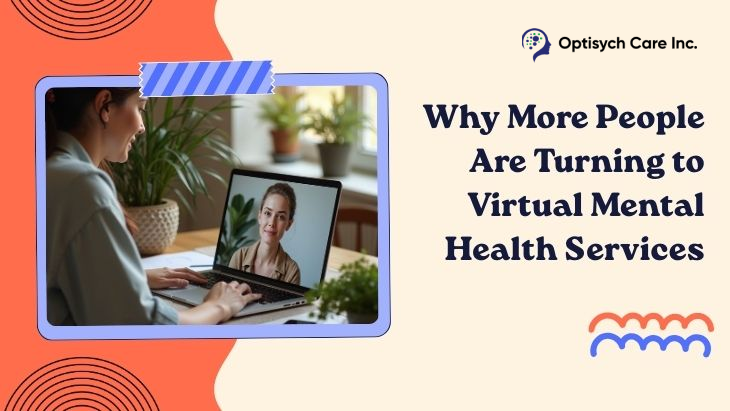
The issue of Mental health awareness has grown over the past few years, and the percentage of people seeking assistance in terms of stress, anxiety, depression, and emotional stability has also risen. Meanwhile, the hectic schedule, demands of work, and lack of access to face-to-face specialists have complicated the process of traditional therapy.Online therapy this has seen the introduction of online therapy as a viable and convenient alternative where people are able to get professional mental health care in the comfort of their homes.
This move to digital care is because of the changing attitude towards mental care. Individuals have increasingly become willing to experience emotional issues and seek assistance at an earlier stage. The virtual world eliminates the majority of the barriers, and people can now afford to focus more on their mental health without disturbing their daily schedule.
An Introduction to What Online Therapy Means
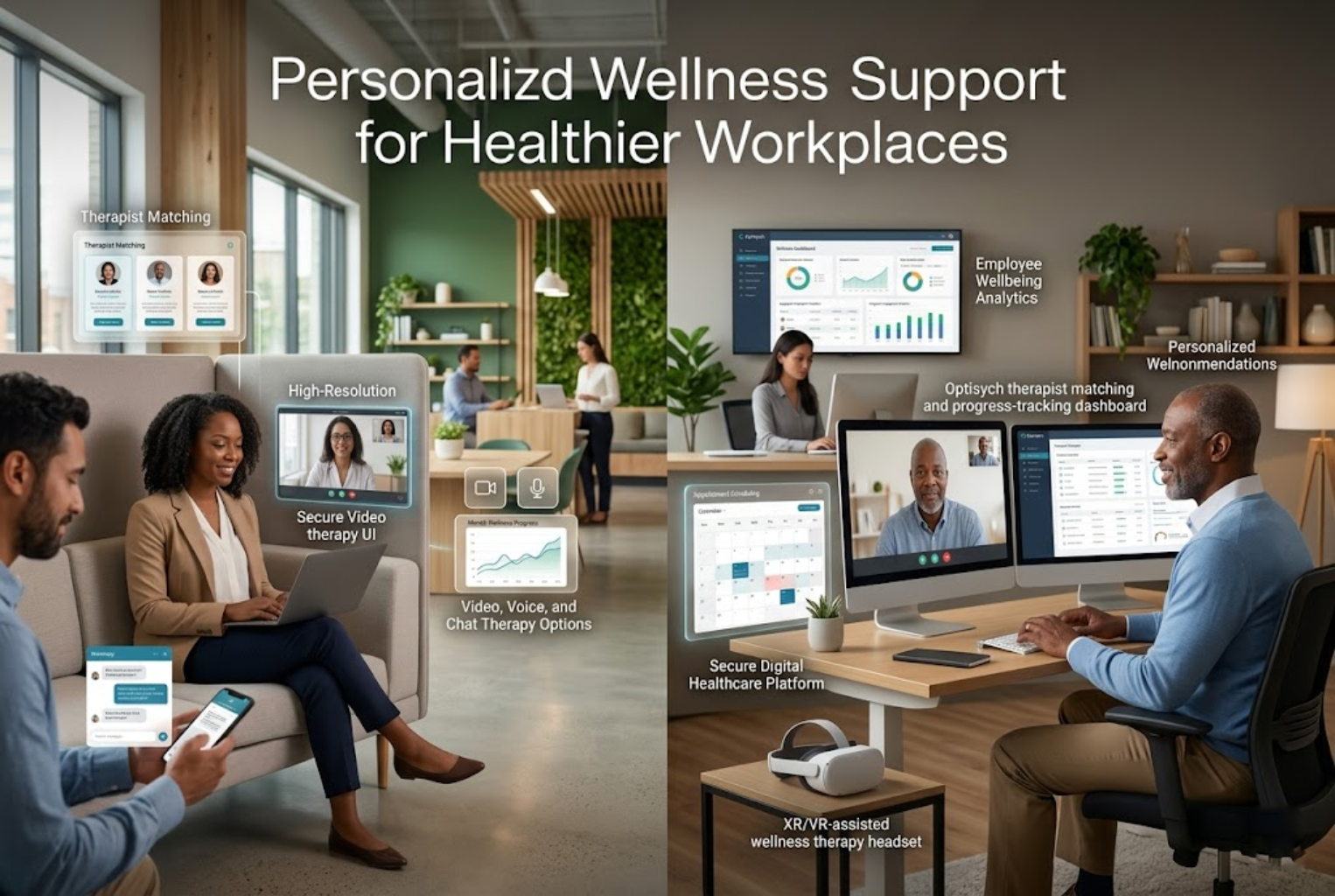
Online therapy is a form of mental health counseling that is conducted online via video calls, phone sessions, live chats, or secure messaging. People can now communicate with licensed therapists through smartphones, laptops, or tablets instead of seeing them in a physical clinic. virtual therapyThe model has enabled therapy to be more accommodating to the way of life in the present day, particularly to individuals who have tight schedules or are limited in mobility.
Online therapy is quite attractive to a large group of users due to its flexibility. Virtual therapy provides professional, structured assistance in the form of a convenient way to deal with work-related stress, relationship issues, or long-term emotional issues. The quality of the treatment is comparable to face-to-face sessions in cases delivered by trained specialists on safe platforms.
Better Access to Mental Health Support
Accessibility is also one of the major reasons why individuals are resorting to virtual mental health services. There may not be easy access to a competent therapist in most areas, particularly in the rural or underserved areas. The presence of long waiting lines, insufficient supply of the providers, and the necessity to travel regularly do not allow individuals to receive timely care.
These geographical restrictions are eliminated by online therapy. Location no longer poses a barrier; people can find licensed professionals deployed anywhere in the world as well as an opportunity to find a therapist who might be more compatible with their needs, language preferences, and specialization. These wider access points can assist individuals in initiating therapy at an earlier age, and this can give better results in the long term.
More Convenience to Hustling Lifestyles
Life nowadays is hectic, and some individuals find it hard to accommodate traditional therapy sessions. Combining work with family duties and commuting, it may seem overwhelming to attend face-to-face sessions. The virtual therapy enables users to be able to book sessions during lunch, evenings, or weekends, making the mental health care more accessible.
This convenience will limit the chances of not attending appointments and enable people to stick to their treatment. When treatment becomes part of life, individuals will be more willing to attend their sessions and achieve gradual progress in terms of their mental health objectives.
Greater Privateness and Decreased Stigma
Although awareness has increased, mental health stigma is still practiced in most societies. There are those people who are not comfortable going to a physical clinic because they fear being judged or they do not have privacy. Online therapy is more discreet, and people could get help in a personal, familiar space.
Such privacy gives more individuals the courage to seek help, particularly those who might have postponed treatment owing to social issues. The ability to receive therapy remotely may render the procedure safer and less frightening, making people more open-hearted when sharing with the therapist.
Economical and Adaptable Pricing
Affordability is another issue that increases the virtual mental health services. In most instances, computer-based therapy is cheaper compared to a face-to-face evaluation. Reduced costs of operations by the providers will tend to translate into more price flexibility for the users.
The subscription plans, reduced length of sessions, and bundle packages make the therapy more affordable to individuals with various financial means. Depending on the platform and the provider, the costs change, but as a whole, the financial elasticity enables the people to be more committed to the long-term mental health treatment.
Greater Compatibility with Experts
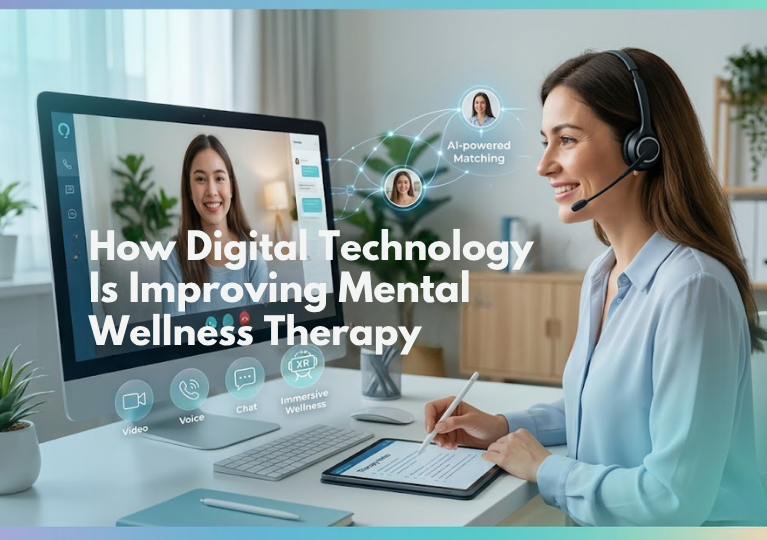
It is imperative to have the right therapist in order to be treated effectively. The online platforms usually have sophisticated matching software that will introduce users to professionals depending on the specified needs: anxiety, trauma, relationship counseling, or stress at work. This selective matching enhances the chances of having a good therapist-client relationship.
Technology that Enriches the Therapy Process
Major Advantages that Fuel the Success of Virtual Therapy.
The increasing popularity of digital mental health services is predetermined by obvious benefits that can interest the mass audience.
More qualified therapists everywhere.
Enhanced comfort, confidentiality, and the ability to continue care.
Virtual Therapy in Long-Term Mental Wellness
Mental health that is virtual and not physical is not a fad. They are taking their place in the long-term mental wellness strategies. Online therapy is increasingly used by many people due to self-care, stress management, and emotional growth.
Online therapy will enable individuals to deal with problems at an early stage before they escalate by making access to mental health more available and consistent. This preventative measure helps to maintain healthier coping styles, emotional stability, and positive living conditions.
Conclusion: Mental Health Support in a New Age
This emergence of virtual mental health services is indicative of a larger change towards more flexible, inclusive, and user-friendly healthcare solutions. Optisych-Care Mental health therapy has also been facilitated online, and most of the traditional barriers have been eliminated, making this therapy more accessible, more confidential, and more aligned to the contemporary lifestyle.

Post Comments