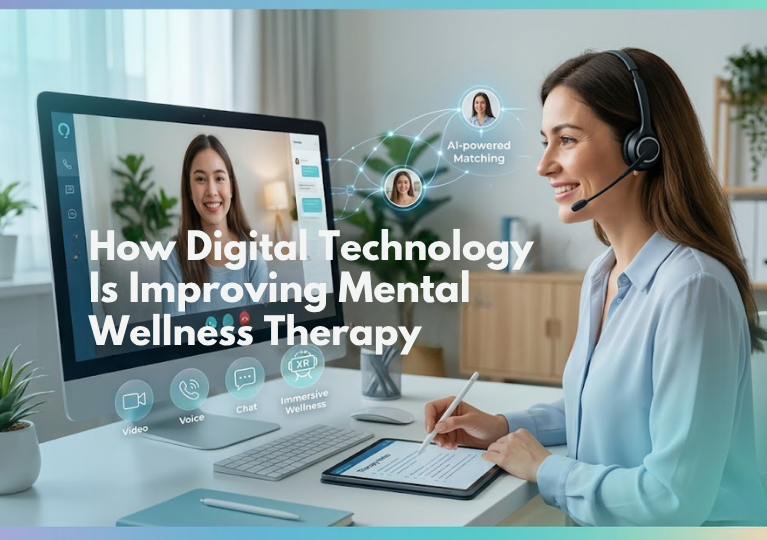
Mental health support is becoming increasingly important in today's fast-paced and digitally connected world. While traditional therapy remains a valuable resource, digital technology is transforming how individuals access mental wellness services, making care more accessible, personalized, and effective.
From virtual therapy sessions and AI-powered matching to immersive wellness experiences and digital progress tracking, technology is helping bridge gaps in mental healthcare and improve outcomes for individuals seeking support.
Expanding Access to Mental Health Services
One of the biggest challenges in mental healthcare is accessibility.
Many individuals face barriers such as geographical limitations, scheduling conflicts, transportation issues, or a shortage of qualified professionals. Digital therapy platforms allow individuals to connect with licensed therapists from the comfort of their homes through secure video sessions and online communication tools.
This increased accessibility ensures more people can receive the support they need when they need it.
Personalized Therapist Matching
Finding the right therapist plays a critical role in successful treatment outcomes.
Modern mental wellness platforms use intelligent matching systems that consider individual preferences, therapy goals, communication styles, and areas of expertise. AI-powered recommendations help connect clients with professionals who are best suited to their unique needs.
Personalized matching can improve engagement and strengthen the therapeutic relationship.
Enhancing Convenience and Flexibility
Digital therapy offers greater flexibility compared to traditional in-person appointments.
Clients can schedule sessions that fit their lifestyles, attend therapy from virtually any location, and access support through multiple communication channels including video, voice, messaging, and digital wellness tools.
This convenience helps reduce barriers to consistent participation and ongoing care.
Supporting Continuous Mental Wellness
Mental wellness extends beyond scheduled therapy sessions.
Many digital platforms provide tools such as mood tracking, journaling, wellness assessments, guided exercises, meditation resources, and self-care recommendations. These features help individuals actively manage their mental health between appointments.
Continuous engagement supports long-term emotional well-being and personal growth.
Leveraging AI for Better Insights
Artificial Intelligence is helping enhance mental wellness experiences through data-driven insights and personalized recommendations.
AI can identify patterns in user behavior, recommend relevant resources, track progress over time, and support early intervention strategies. While technology does not replace professional therapists, it can provide valuable tools that complement therapeutic care.
These innovations help create more proactive and responsive mental health support systems.
Improving Engagement Through Immersive Experiences
Emerging technologies such as virtual reality (VR) and immersive wellness environments are opening new possibilities for therapy.
These tools can support relaxation training, stress management, exposure therapy, mindfulness practices, and emotional regulation techniques. Immersive experiences create engaging environments that may enhance treatment effectiveness for certain individuals.
Technology continues to expand the range of therapeutic options available.
Ensuring Privacy and Secure Communication
Trust and confidentiality are essential in mental healthcare.
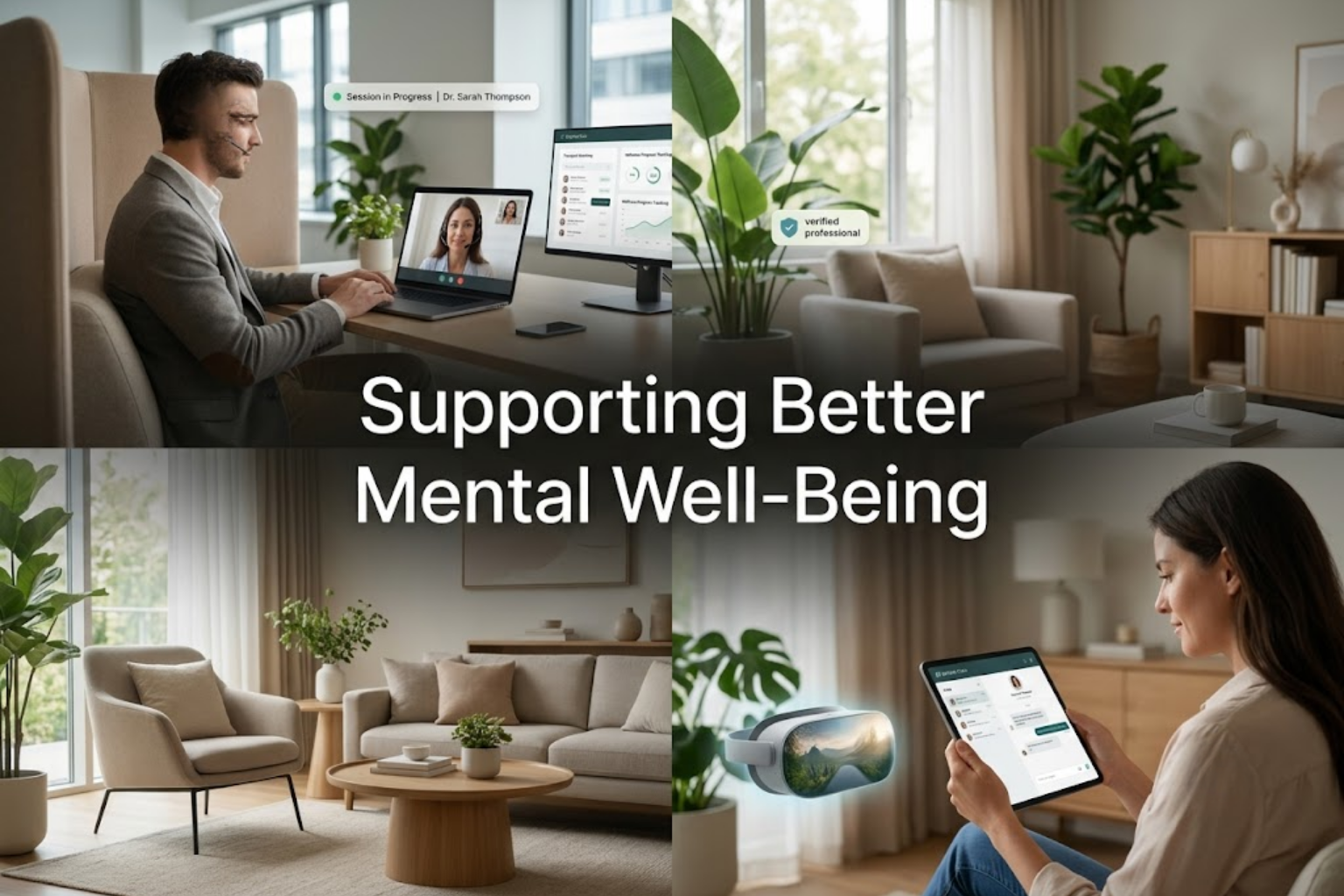
Modern digital therapy platforms use secure communication systems, encrypted data storage, and privacy-focused technologies to protect sensitive information. Secure digital environments help clients feel confident when accessing therapy services online.
Strong privacy protections remain a priority as digital mental health solutions continue to grow.
The Future of Digital Mental Wellness
As Artificial Intelligence, telehealth technologies, and digital wellness tools continue to evolve, mental healthcare will become even more personalized and accessible.
Future innovations may include predictive wellness insights, adaptive therapy programs, AI-assisted support systems, and more immersive therapeutic experiences. These advancements will help individuals access care more efficiently while supporting better mental health outcomes.
Final Thoughts
Digital technology is transforming mental wellness therapy by improving accessibility, personalization, convenience, and engagement. Through virtual therapy, AI-powered matching, wellness tracking, and innovative digital tools, individuals can access meaningful support in ways that fit their lifestyles.
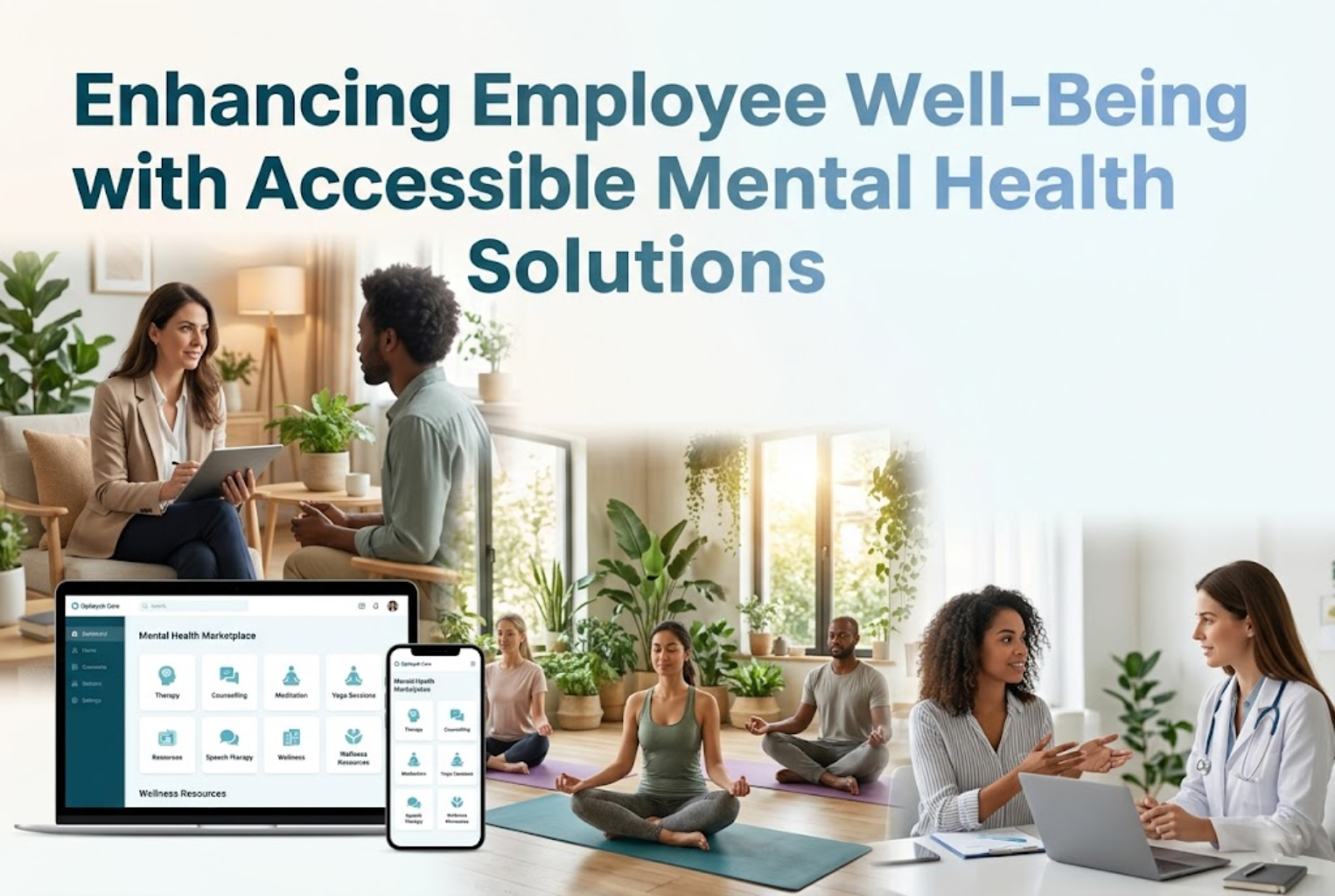
Optisych Care is helping shape the future of mental wellness by leveraging technology to connect individuals with personalized care and empowering them on their journey toward improved emotional well-being.



Leave a reply